Two different warranties, two different lengths
New vehicles typically come with both a bumper-to-bumper warranty and a powertrain warranty running at the same time — but they don't cover the same things, and the powertrain warranty usually lasts longer.
Bumper-to-bumper (basic) coverage
This is the broader of the two. It covers most systems in the vehicle — electrical, air conditioning, infotainment, sensors, and more — for a shorter period. Once it expires, only powertrain coverage (and anything else still active) remains.
Powertrain coverage
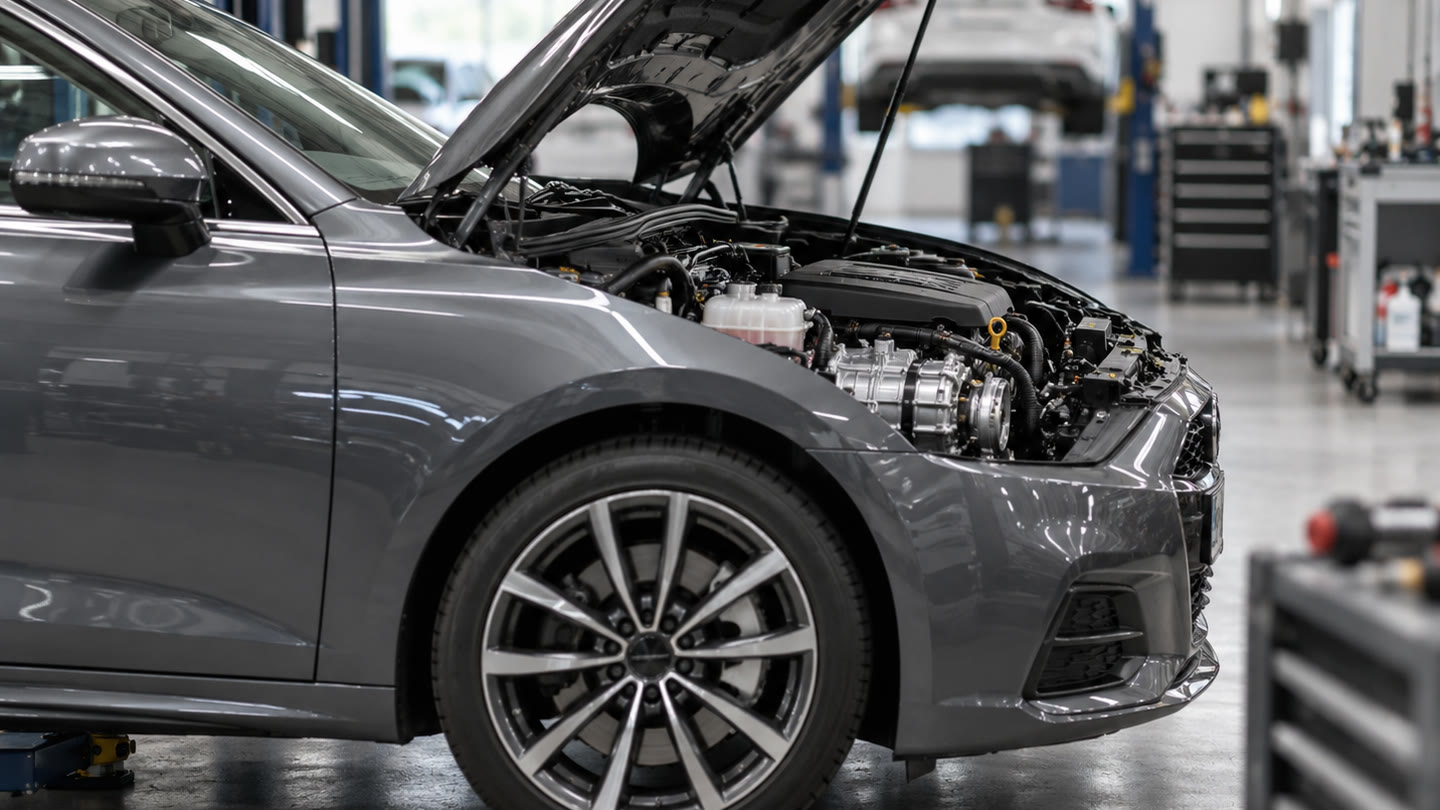
This covers the components that make the vehicle move: generally the engine, transmission/transaxle, and drivetrain (the parts that deliver power to the wheels). Because these are among the most expensive parts to repair, manufacturers typically extend powertrain coverage well past the bumper-to-bumper period.
A part has to actually be part of the powertrain to be covered here — a broken window motor, for example, is a bumper-to-bumper item, not a powertrain one, even though both are "mechanical."
Why the distinction matters
Once your bumper-to-bumper coverage runs out, a lot of common repairs — electrical gremlins, AC issues, infotainment glitches — fall outside factory coverage even though the vehicle is still within its powertrain warranty. That's the gap a lot of people don't realize exists until they're paying for a repair out of pocket.
Second owners, take note
Some manufacturers shorten powertrain coverage for a vehicle's second owner, even though the original bumper-to-bumper term may not change. If you bought the vehicle used, it's worth confirming whether you're the original owner as far as the warranty is concerned — it can affect how much powertrain coverage is actually left.
Related: What a Factory Warranty Covers
Free. See its recalls, factory coverage and a Protection Check — no phone number needed.