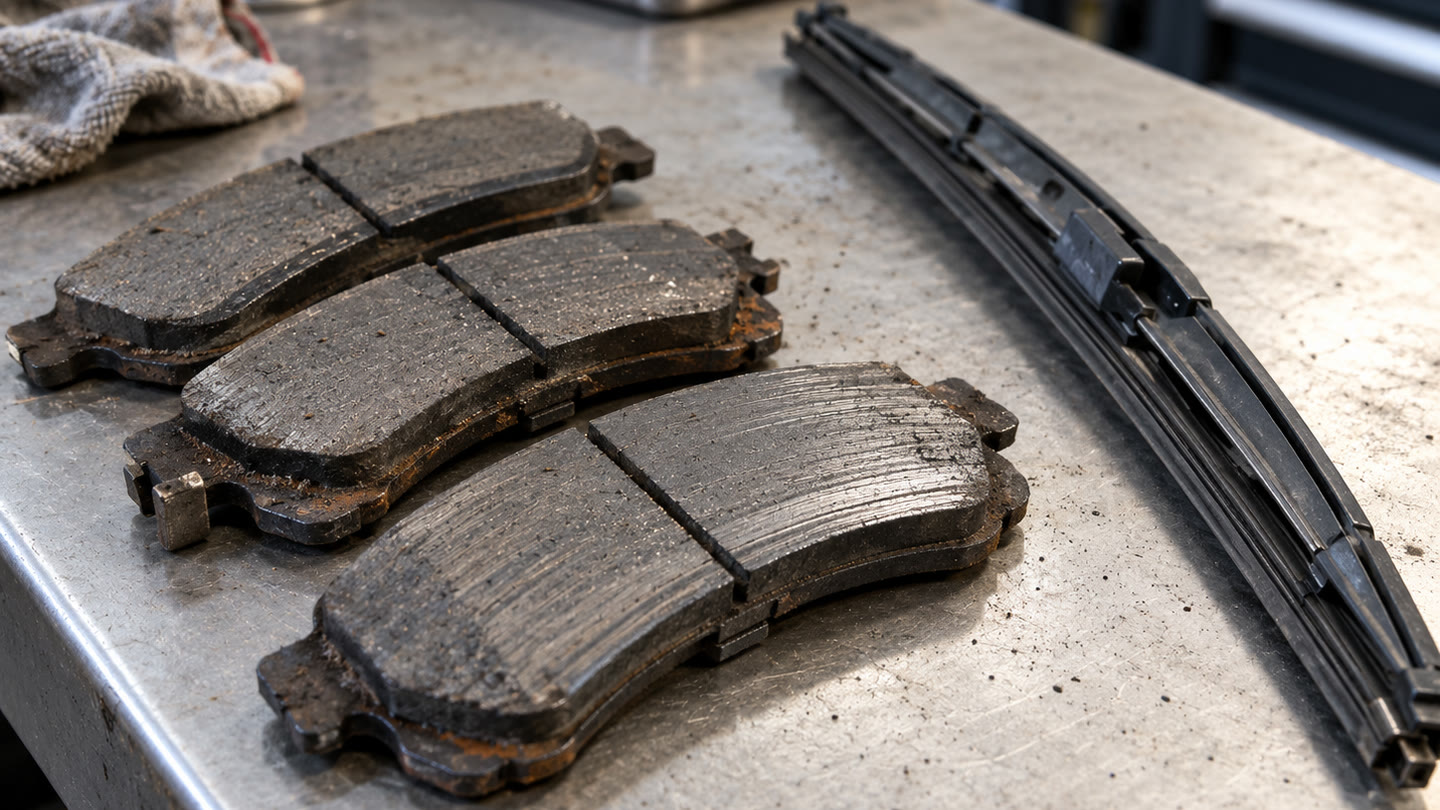
Exclusions: what's never covered, no matter what
Every warranty and service contract has exclusions — situations or components it simply doesn't cover, regardless of when the problem happens. Common categories include:
- Wear items — tires, brake pads, wiper blades, batteries. These wear out through normal use, not through a defect.
- Maintenance-related failures — damage that resulted from skipped or late maintenance (for example, engine damage traced to never having the oil changed).
- Damage from accidents, misuse, or the elements — collision damage, flood damage, and similar events are typically an insurance matter, not a warranty one.
- Aftermarket parts and modifications — the parts themselves, and any damage they're shown to have caused, even to an otherwise-covered part. For a manufacturer warranty, simply having an aftermarket part installed isn't enough on its own to deny a claim; the FTC explains the rules.
- Pre-existing conditions — for a service contract purchased after the vehicle already had a problem.
The exact list is always specific to the contract or warranty in question — there's no substitute for reading it.
Deductibles: what you pay when a claim is approved
A deductible is the amount you're responsible for on an approved, covered repair — the contract or warranty pays the rest. Manufacturer new-vehicle warranties typically don't have a deductible at all (some certified pre-owned warranties do); service contracts usually do. Two structures are common:
- Per-visit deductible — you pay it once per repair visit, even if multiple things are fixed at the same time.
- Per-repair (per-item) deductible — you pay it separately for each covered item repaired, even during the same visit.
A per-visit deductible is generally more favorable to you than a per-repair one when multiple things need fixing at once.
Reading a contract with this in mind
When you're comparing warranty or service contract terms, two questions get you most of the way to understanding what you'd actually owe if something broke tomorrow: what's excluded, and what's the deductible structure. Everything else is detail on top of those two answers.
For how exclusions typically break down by repair, see the Coverage Mapper. Once you know your own contract's actual deductible, recording it against your vehicle in My Garage means you're not digging through paperwork the next time a repair comes up.
Free. See its recalls, factory coverage and a Protection Check — no phone number needed.