What it is
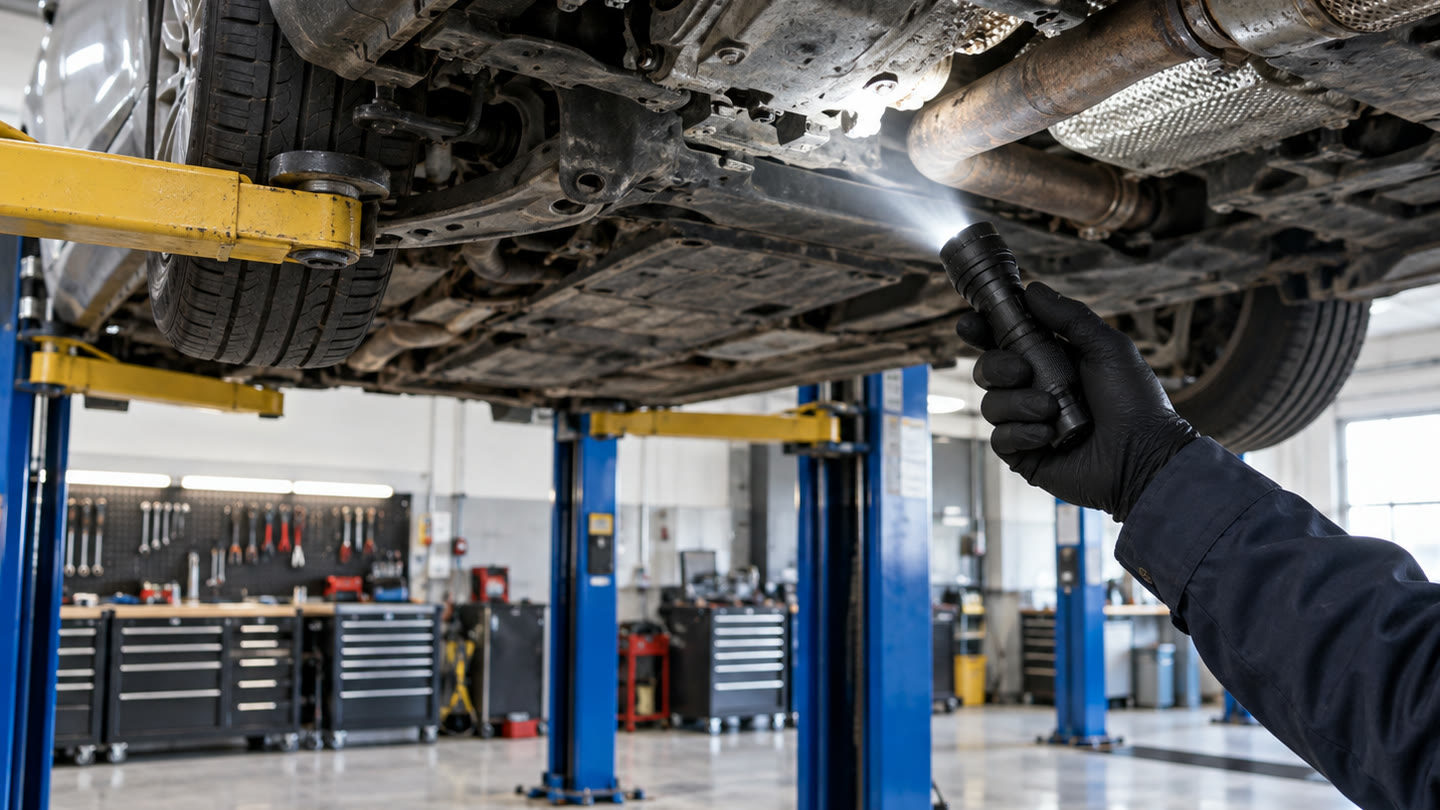
A pre-purchase inspection (PPI) is a thorough check of a used vehicle by an independent, qualified mechanic — not the seller, and ideally not a shop with any stake in the sale — before you commit to buying it. It's a look under the surface that a test drive and a visual walk-around can't provide on their own.
What it typically covers
While the exact checklist varies by shop, a thorough inspection generally looks at:
- Engine and drivetrain — signs of leaks, unusual wear, or prior repairs
- Frame and body — evidence of prior accident damage or rust that isn't visible on a casual look
- Brakes, suspension and steering — wear and function
- Electrical systems — battery, alternator, and warning indicators
- Fluid levels and condition — oil, coolant, transmission fluid and others
- Tires — tread depth and even wear, which can also hint at alignment or suspension issues
- A test drive — how the vehicle actually performs, not just how it looks parked
- A diagnostic scan — checking for stored trouble codes, and whether the emissions readiness monitors suggest codes were recently cleared (for example, just before a showing)
Why it's worth the cost
A PPI typically costs far less than the repair it can help you avoid or negotiate around. Finding a real issue before you buy gives you three options you don't have afterward: walk away, negotiate the price down to account for the repair, or go in with your eyes open about what you're taking on.
A few practical notes
- Arrange the inspection yourself, with a shop of your choosing — not one the seller recommends.
- Ask for a written report, not just a verbal summary, so you have something concrete to negotiate with if issues turn up.
- It's normal for a private seller to be hesitant about a PPI; a seller who refuses one outright, even at a shop of your choosing, is a real warning sign worth taking seriously.
Free. See its recalls, factory coverage and a Protection Check — no phone number needed.