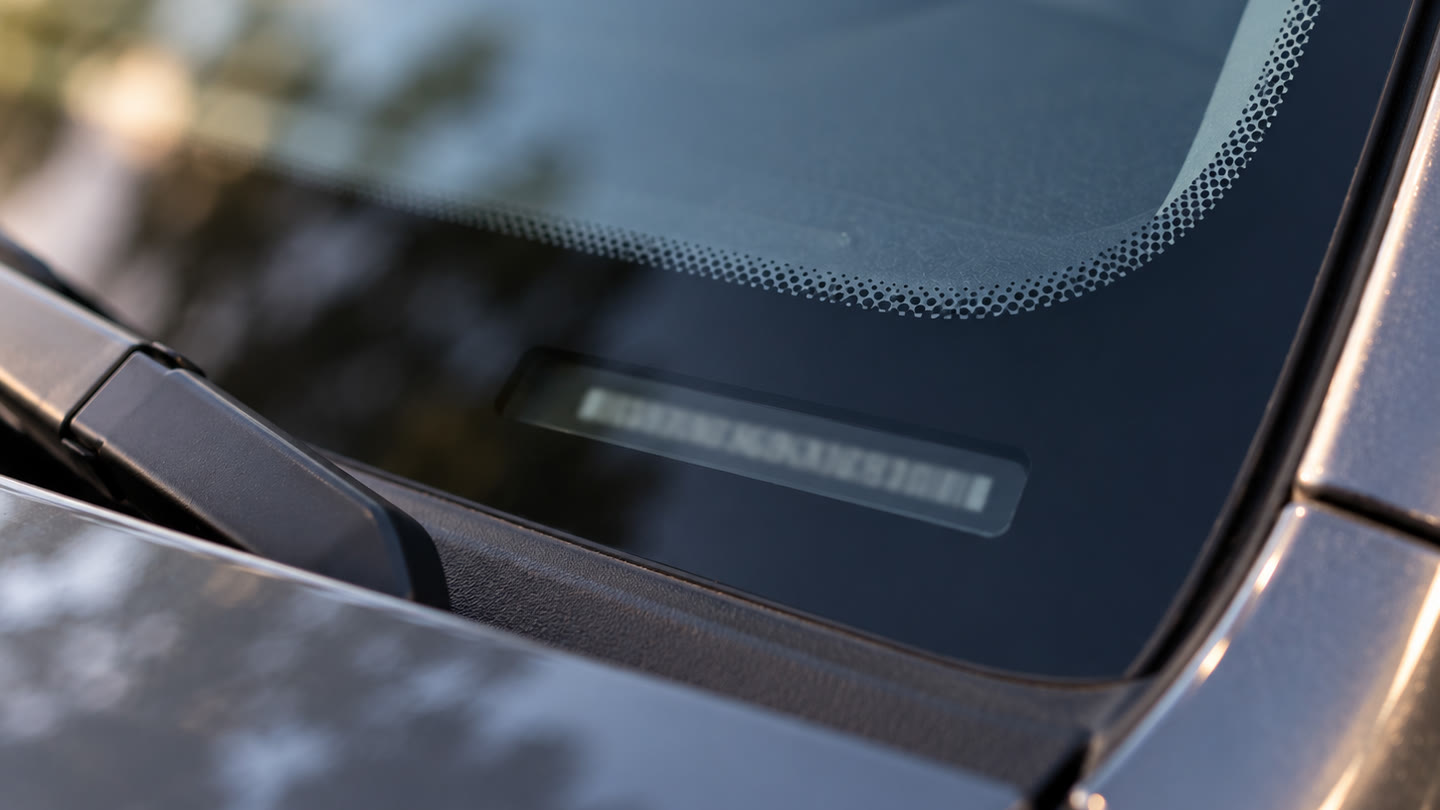
What a VIN is
Every vehicle from model year 1981 onward has a unique 17-character Vehicle Identification Number (VIN). It's not random — the characters encode specific information about the vehicle, standardized across manufacturers.
What decoding a VIN can tell you
- Year, make and model, and often the trim — the basic identity of the vehicle.
- Body style — sedan, SUV, coupe, and so on.
- Engine details — displacement, cylinder count, and often fuel type.
- Country and plant of manufacture, in general terms.
- Whether it's a match for a title, registration, or listing that claims to describe it — a mismatch is a red flag.
Our VIN Decoder tool does this lookup for you using NHTSA's public vehicle database.
What a VIN can't tell you
A VIN decode is not a full vehicle history, and it's not a substitute for one. On its own, decoding a VIN does not tell you:
- Accident history
- Whether the title is salvage, rebuilt, or clean
- Odometer history or rollback
- Service and maintenance history
- Number of previous owners
- Open recalls specific to that VIN (though it does support looking up recalls by year/make/model — see below)
That kind of history typically requires a dedicated vehicle history report, which pulls from different data sources entirely.
VINs and recalls
A VIN decode identifies the vehicle, which lets you look up recalls that apply to that year, make and model in general. To check whether a specific open recall on your VIN has actually been repaired, use NHTSA's own VIN lookup — that's the authoritative source for VIN-specific recall status, not a general year/make/model list.
Where to find your VIN
Common locations: the lower corner of the windshield on the driver's side (visible from outside), the driver's-side door jamb sticker, the vehicle's title and registration, and the insurance card.
Free. See its recalls, factory coverage and a Protection Check — no phone number needed.