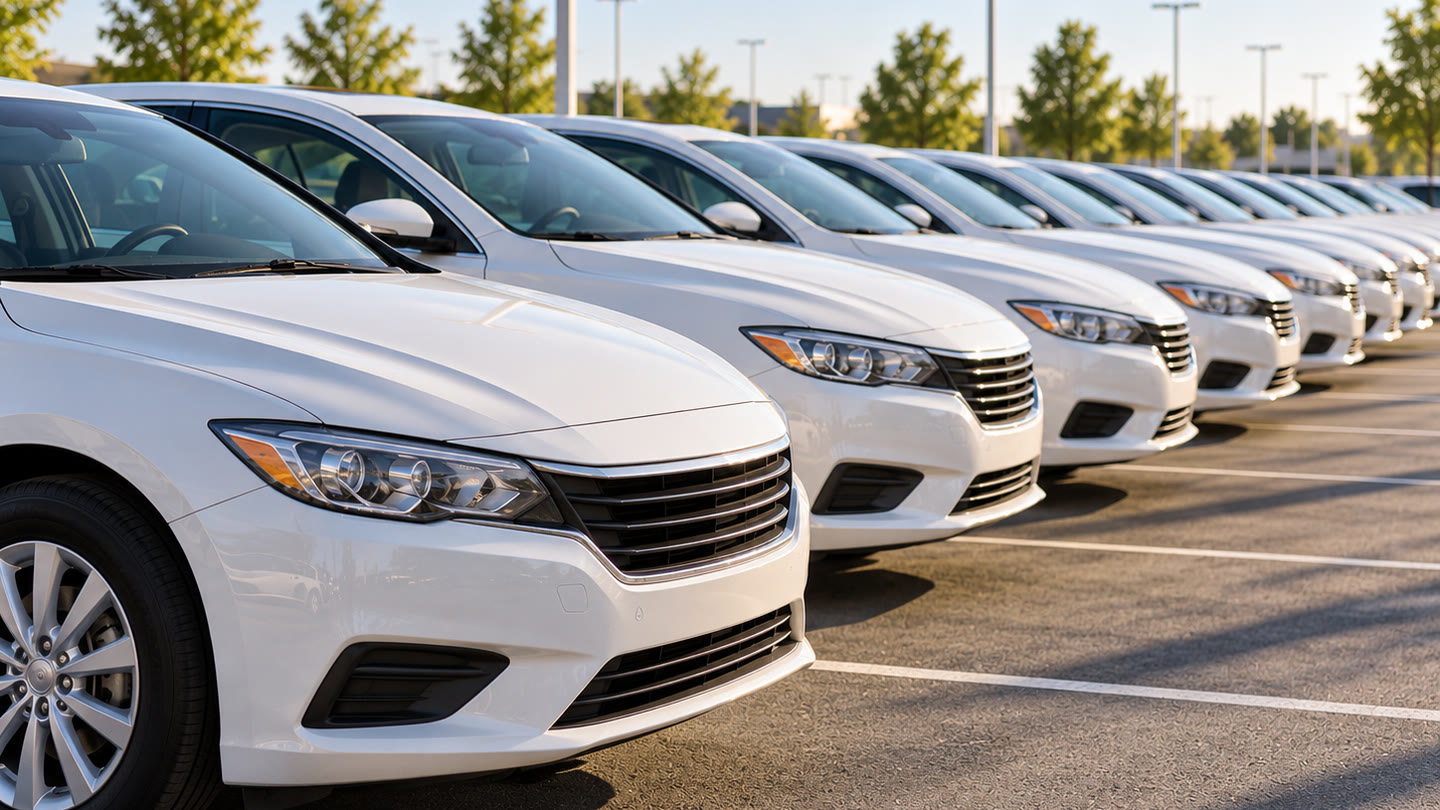
What makes these different
Former rental and fleet vehicles were used for business purposes — car rental, corporate fleets, delivery, or similar — rather than by a single owner driving it as their personal vehicle. That different usage pattern brings both potential advantages and things worth checking more carefully.
Potential advantages
- More consistent maintenance, in many cases — rental and fleet operators often follow scheduled service intervals closely, since a breakdown is a direct cost to their business
- A fuller paper trail, since maintenance is frequently done at the same shop or dealer network and recorded systematically
- Lower price relative to comparable personal-use vehicles, since these are typically sold at wholesale/auction and priced to move
Things worth checking more carefully
- Multiple drivers — a rental vehicle in particular may have had many different drivers, each with different habits, which a single-owner history doesn't have
- Higher mileage accumulated faster — rental and fleet vehicles are often driven more intensively over a shorter calendar period than a typical personal vehicle
- Title branding — confirm the title is clean; ask directly whether the vehicle was ever in an accident during fleet use
- Wear patterns — interior wear, in particular, can be more pronounced given multiple drivers and heavier use
How to check before buying
A vehicle history report and a pre-purchase inspection matter at least as much here as for any other used vehicle — arguably more, given the different usage pattern. Ask the seller directly whether the vehicle was a rental or fleet vehicle if it isn't stated; some sellers list this plainly, others don't unless asked.
Check your own car
Free. See its recalls, factory coverage and a Protection Check — no phone number needed.