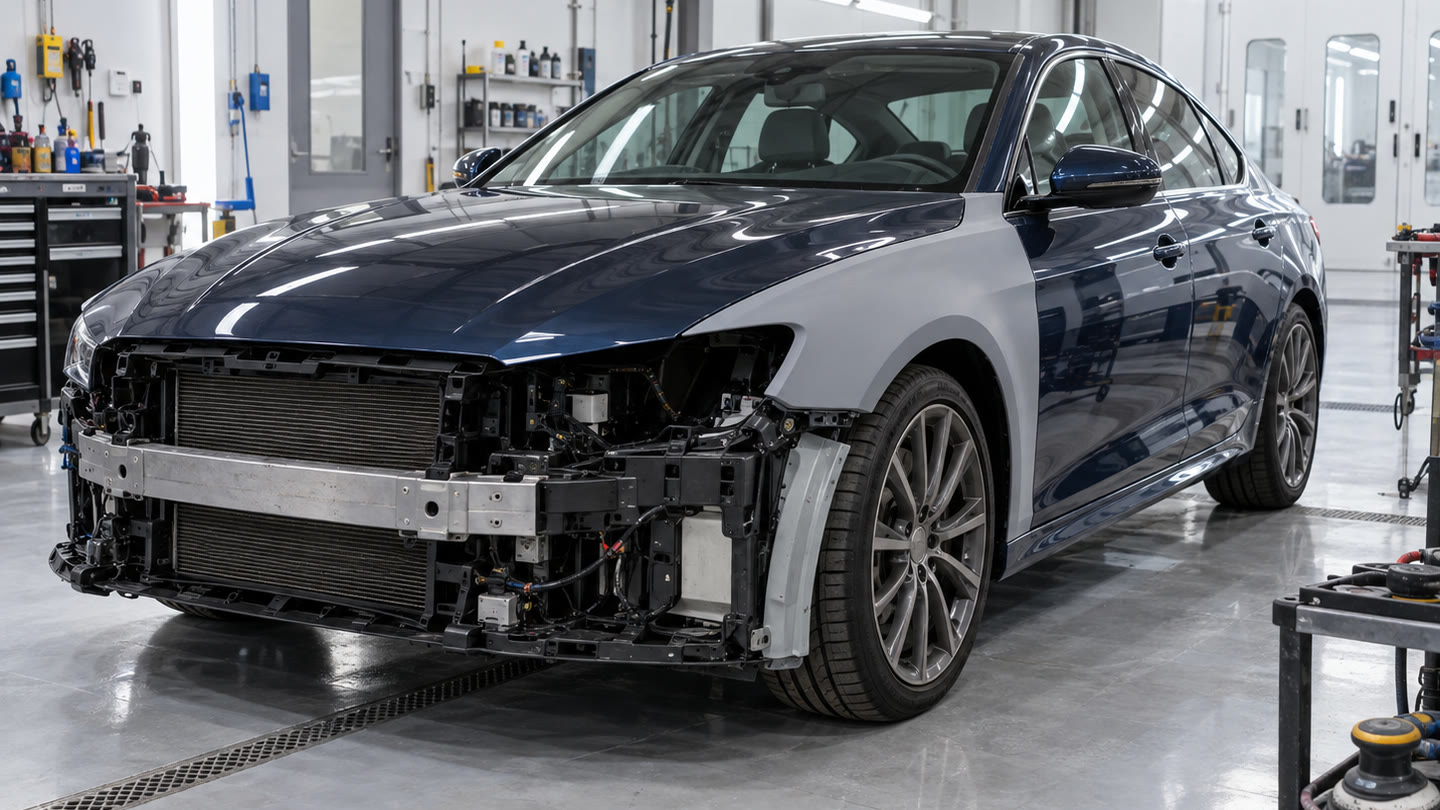
What "salvage" means
A vehicle is generally given a salvage title when an insurer declares it a total loss — typically because the estimated repair cost reached or exceeded a threshold set relative to the vehicle's value — and the insurer takes ownership as part of the claim payout (in many states, the owner can instead keep the vehicle, which still gets a salvage title). Once a title is marked salvage, that status generally stays with the vehicle permanently in official records, even after the reason for it (accident damage, flood, theft recovery, and similar) is addressed.
What "rebuilt" means
A rebuilt title (terminology varies by state — sometimes "reconstructed" or similar) is issued after a salvage vehicle has been repaired and passed a state inspection confirming it's roadworthy. It's a step up from a salvage title in the sense that the vehicle can be legally driven and registered again, but the rebuilt designation itself remains on the title permanently, distinguishing it from a vehicle that was never salvaged.
Why this matters as a buyer
- Value — a rebuilt-title vehicle is generally worth meaningfully less than an equivalent clean-title vehicle, even in good condition, simply because of the branding.
- Insurance — some insurers decline to offer comprehensive or collision coverage on a rebuilt-title vehicle, or offer it with restrictions; it's worth confirming with an insurer before buying, not after.
- Financing — some lenders decline to finance salvage or rebuilt-title vehicles at all, or offer less favorable terms.
- Resale — the same value and financing considerations apply to whoever buys it from you later, which affects how easy it is to resell.
- Quality of the repair — a rebuilt title only confirms the vehicle passed the state's inspection, not that every repair was done to a high standard. In some states that inspection mainly checks the paperwork and where the replacement parts came from (to catch stolen parts) rather than the quality of the work, so the actual repair quality varies by who did it.
How to check before buying
A vehicle history report will generally show title branding, and it's also disclosed on the title itself. The federal National Motor Vehicle Title Information System (NMVTIS) collects salvage and total-loss reports from states, insurers and salvage yards, which helps catch a brand that doesn't appear on a title issued in another state. If a deal looks unusually good for the vehicle and mileage, checking title status is one of the first things worth doing — and if it's salvage or rebuilt, a pre-purchase inspection from someone experienced with post-accident repairs specifically is worth the extra step.
Free. See its recalls, factory coverage and a Protection Check — no phone number needed.