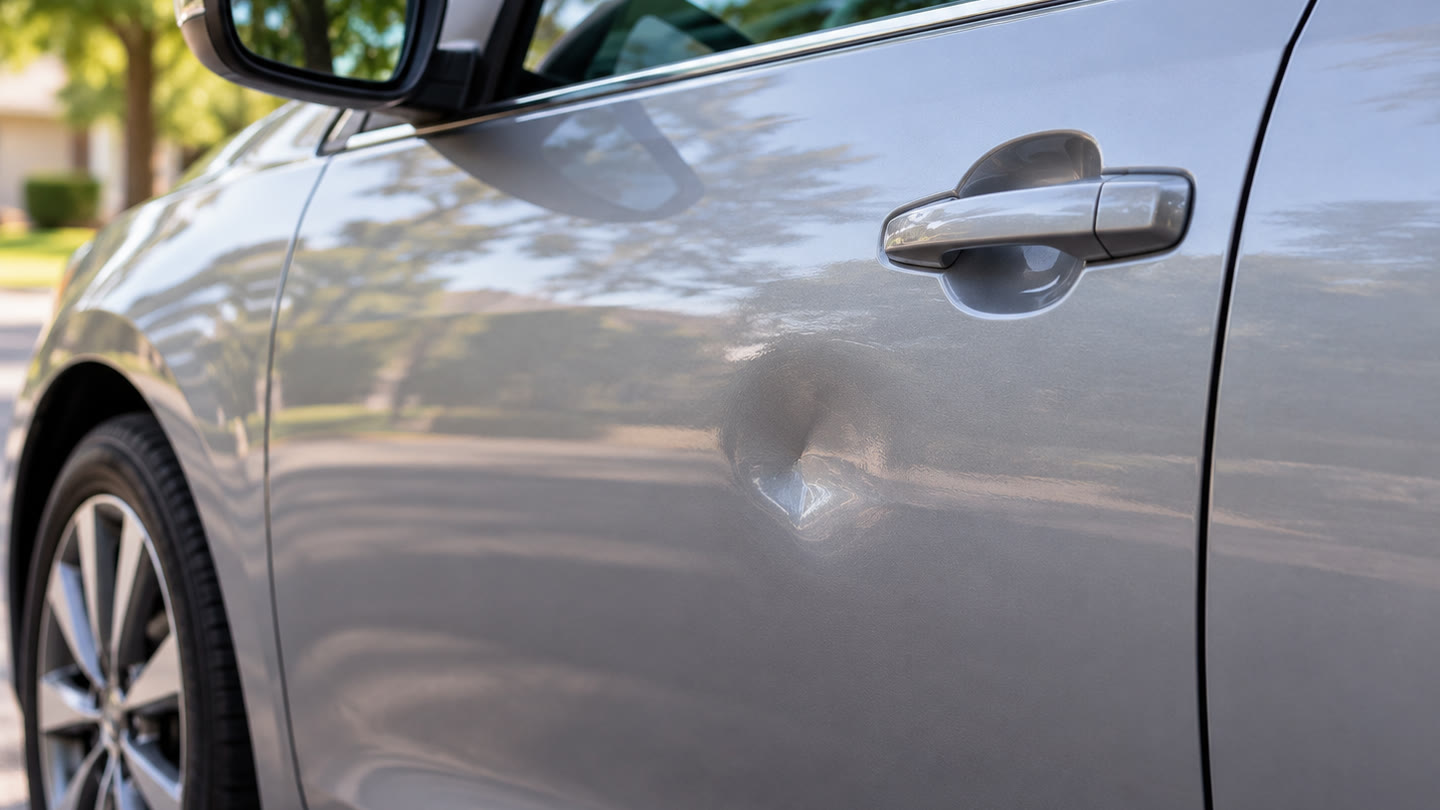
The basic mechanic
A deductible is the amount you agree to pay out of pocket toward a covered claim before your insurance pays the remainder. If a repair costs more than your deductible, insurance covers the difference; if it costs less than your deductible, you're paying for it entirely yourself and a claim may not be worth filing at all.
Deductibles typically apply separately to collision and comprehensive coverage — you might have a different deductible for each, and liability coverage generally doesn't carry one at all.
The trade-off: deductible vs. premium
Choosing a deductible is a trade-off between two costs:
- A higher deductible generally means a lower premium (what you pay regularly for the policy), since you're taking on more of the risk yourself.
- A lower deductible generally means a higher premium, since the insurer is covering more of each claim.
There's no universally correct choice — it depends on how much you could comfortably pay out of pocket if you needed to file a claim, weighed against how much you'd save in premium over time with a higher deductible.
A practical way to think about it
A deductible only matters when you actually file a claim, so it's worth asking: if something happened tomorrow, could you comfortably cover this deductible amount without financial strain? If a higher deductible would be a real hardship to pay in the moment, the premium savings may not be worth the risk — even if it's mathematically cheaper on average over time.
Small claims and deductibles
Because you're paying the deductible regardless, a claim for an amount close to (or below) your deductible often isn't worth filing — you'd pay most or all of the cost yourself either way, and a claim on your record can sometimes affect future premiums.
Free. See its recalls, factory coverage and a Protection Check — no phone number needed.