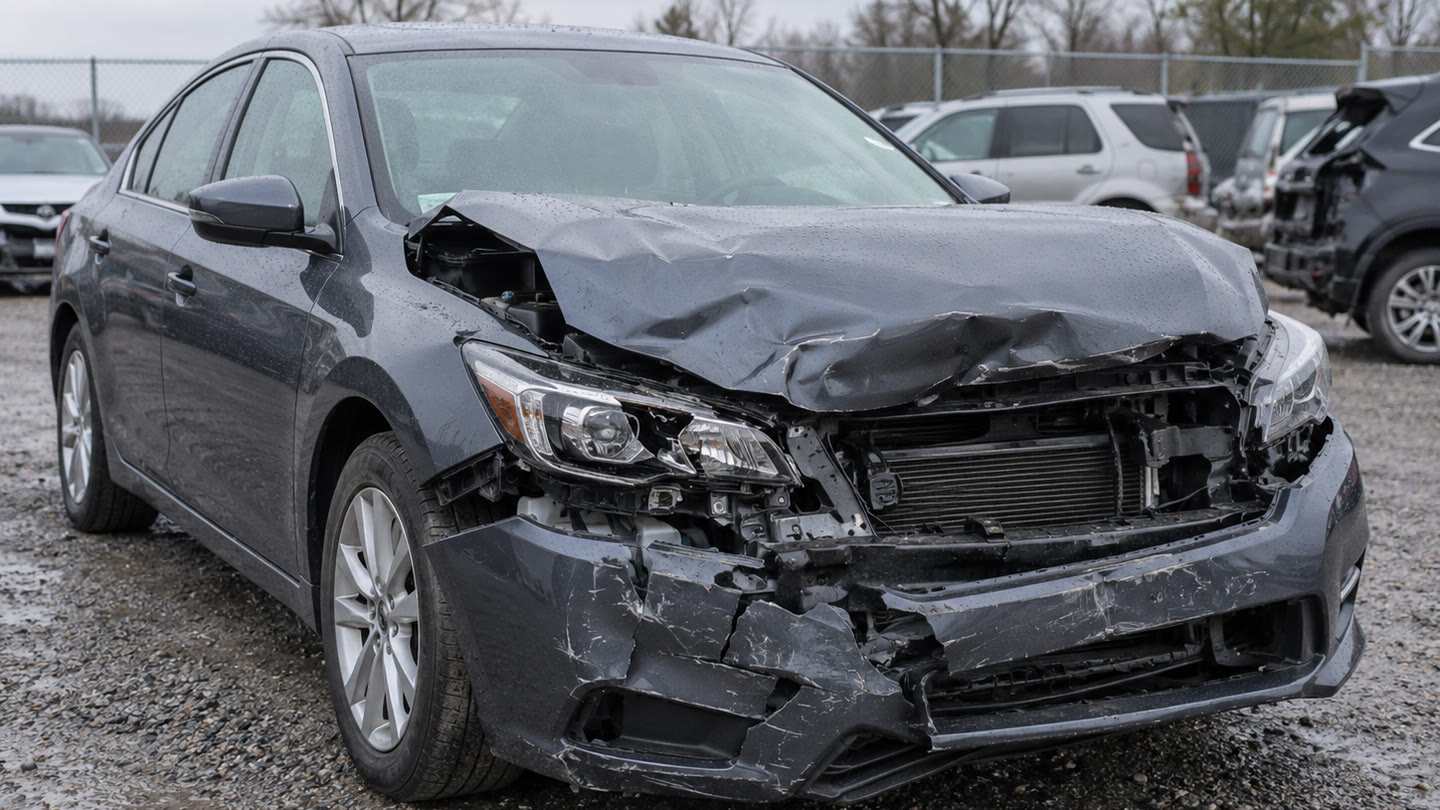
What "total loss" actually means
A vehicle is typically declared a total loss when the estimated cost to repair it reaches or exceeds a threshold set relative to its actual cash value (ACV) — often expressed as a percentage of that value, which varies by insurer and by state. It's an economic decision, not necessarily a statement that the vehicle is undrivable or unsafe to have been driven before the incident.
How the payout is generally calculated
If a vehicle is totaled, the insurer typically pays out its ACV — what it was worth on the used market just before the loss — minus your deductible. That figure is based on comparable sales, mileage, condition and other factors, and is sometimes negotiable if you have documentation (like a pre-purchase inspection or recent maintenance records) supporting a higher value than the insurer's initial estimate.
Why the payout might not cover your loan
Because ACV reflects current market value, not your original purchase price or your remaining loan balance, a total loss payout can leave a shortfall if you owe more than the vehicle was worth — the same negative equity gap that GAP insurance is designed to address. Without GAP coverage, that shortfall is your responsibility to pay off even though you no longer have the vehicle.
What typically happens next
- The insurer usually takes possession of the vehicle. In many states you can choose to keep it instead — in which case the payout is reduced by its salvage value, and the vehicle gets a salvage title
- Your loan, if any, is paid off from the settlement first, with any remainder going to you
- The title is generally marked as salvage or total loss in official records, which matters if the vehicle is ever repaired and resold
If you disagree with the valuation
You're generally entitled to challenge an insurer's ACV estimate with your own supporting evidence — comparable local listings, documented recent repairs or upgrades, and similar. It's worth doing if the initial number seems low, since the payout is the actual dollar amount you'll walk away with. Many policies also include an appraisal clause, a formal process for settling a disagreement over value, and your state's insurance department can take a complaint if you can't resolve it.
Free. See its recalls, factory coverage and a Protection Check — no phone number needed.